Производство блокнотов in 2024: what's changed and what works
The notebook manufacturing industry has shifted dramatically over the past year. What worked in 2023 doesn't necessarily cut it anymore. If you're making notebooks—whether you're running a small bindery or managing production for a stationery brand—here's what actually matters right now.
1. Micro-Batch Production Has Become the Default
Gone are the days when you needed to order 5,000 units minimum to make the economics work. Print-on-demand technology and digital printing have pushed minimum order quantities down to 50-100 units for many manufacturers. This shift happened fast. In early 2023, most binderies still quoted 1,000 pieces as their baseline. Now? A workshop in Poland can profitably run batches of 250 custom notebooks with three-day turnaround.
The real game-changer is the equipment. Machines like the Horizon BQ-270 perfect binder now cost around €45,000 instead of €80,000, making them accessible to mid-size operations. Small studios are buying used digital presses for €15,000-25,000 and competing directly with established players. If you're still thinking in terms of massive print runs, you're pricing yourself out of the custom market.
2. Recycled Materials Aren't Optional Anymore
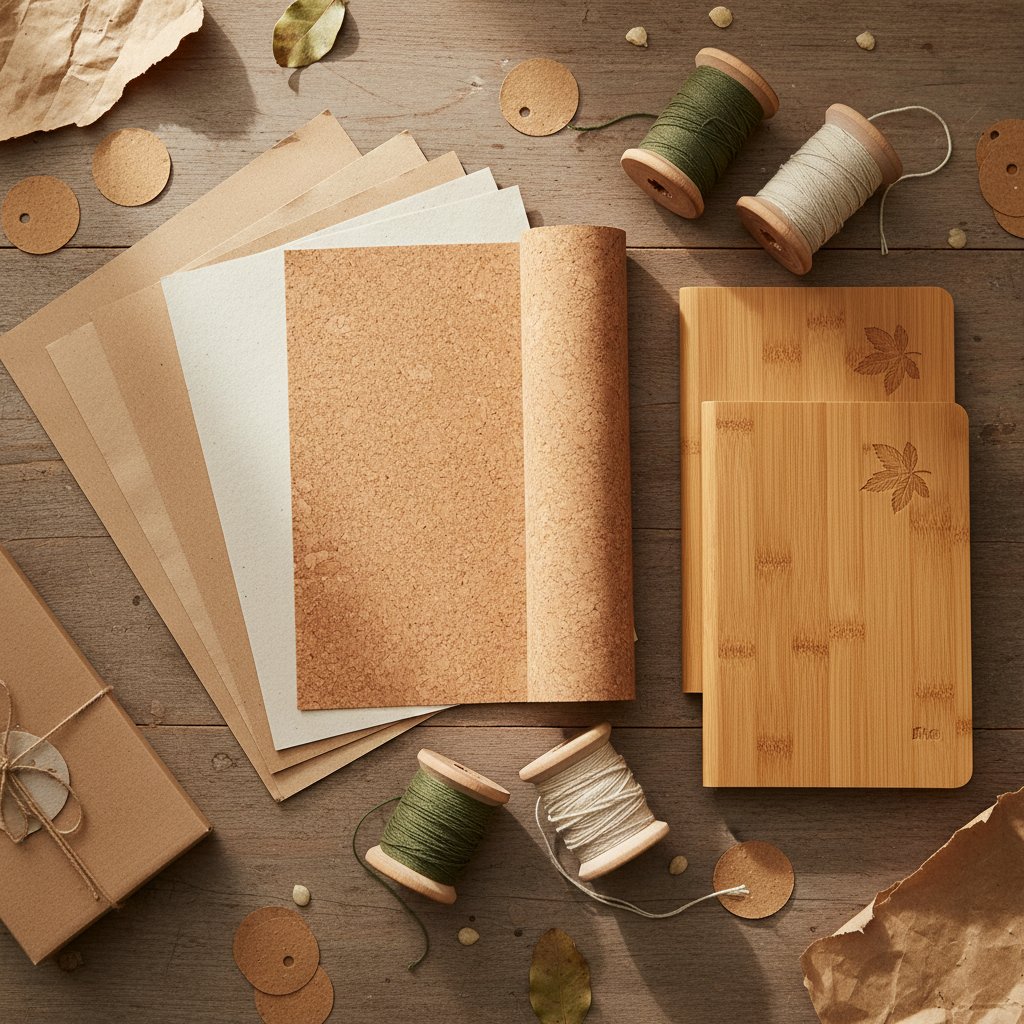
About 68% of corporate buyers now specifically request FSC-certified or recycled paper stock. That's up from 41% in 2022. The European market especially has zero tolerance for virgin pulp unless you've got a compelling reason. Stone paper (made from calcium carbonate) has moved from novelty to legitimate alternative, with prices dropping to just 15-20% above standard coated stock.
Here's what's actually selling: 100% post-consumer waste covers with 80gsm recycled inner pages. Buyers will pay €2.50-3.50 per unit for A5 notebooks with these specs, compared to €1.80-2.20 for conventional materials. The margin difference covers your material costs and then some. Mushroom leather covers are still expensive (€8-12 per piece), but they're getting real traction in the premium segment.
3. Wire-O Binding Is Having a Moment
Perfect binding dominated for years because it looks clean and bookish. But Wire-O (spiral binding with twin loops) has surged back, especially for planners and work notebooks. Why? It lays completely flat. Sounds simple, but that's what people actually need when they're sketching, writing at a standing desk, or photographing pages for social media.
Production costs for Wire-O have dropped significantly. A decent automatic wire closer now runs about €3,500, and you can bind 300-400 notebooks per hour once you've got your rhythm. Compare that to perfect binding at maybe 200 units per hour for small batches. The material cost difference is negligible—about €0.15 per notebook. If you're not offering Wire-O as a standard option, you're leaving money on the table.
4. Customization Speed Beats Everything
The biggest competitive advantage right now isn't price or quality—it's how fast you can turn around custom orders. Brands want 500 notebooks with their logo for a conference in two weeks. Students want 30 personalized planners for their study group by next Friday. Standard 4-6 week lead times are deal-breakers.
Smart manufacturers are using UV printing for covers, which dries instantly and needs no setup time. You can switch between completely different designs in under 10 minutes. Foil stamping is gorgeous but takes 3-5 days for die creation alone. Digital foiling systems like MGI JETvarnish cost €180,000+ but let you do metallic effects on-demand. If that's out of reach, focus on what you can deliver fast rather than trying to compete on premium finishes.
5. Direct-to-Consumer Channels Are Where the Margins Live
Selling through distributors or Amazon means you're making €0.40-0.80 per notebook after everyone takes their cut. Setting up your own Shopify store and running targeted Instagram ads? You're looking at €3-6 margin per unit on the same product. The math is brutal but clear.
A manufacturer in the Czech Republic started selling directly last year and reported average order values of €47 (typically 8-12 notebooks per order) with customer acquisition costs around €12. Their wholesale business still exists, but the DTC channel now represents 60% of revenue at twice the margin. You need decent product photography and someone who understands Meta ads, but those skills are easier to learn than you think.
6. Specialty Papers Are the Differentiation Play
Everyone can source standard 80gsm cream paper. Not everyone offers Tomoe River (52gsm ultra-thin), Munken Pure (120gsm uncoated), or dot grid Rhodia-style paper. These specialty options cost €0.30-0.80 more per notebook but command €4-7 price premiums in the market.
The fountain pen community alone will pay €18-25 for an A5 notebook with the right paper. Bullet journal enthusiasts obsess over 160gsm paper that prevents ghosting. Find three specialty paper stocks that serve specific niches, build relationships with those suppliers, and market directly to those communities. Generic notebooks compete on price. Specialized notebooks compete on performance.
The notebook industry isn't dying—it's splintering into dozens of micro-markets, each with different expectations and willingness to pay. The manufacturers winning right now are the ones who picked their lane, invested in speed over scale, and stopped trying to be everything to everyone. Figure out which 20% of customers will pay for what you do best, and build everything around serving them better than anyone else can.